%2Ffit-in%2F250x250%2Fguide_websites%2F28525%2Fimages%2F1741110864868image-2025-03-05t015416.002.png&w=1920&q=100)
Crappie Fishing in Pope Mississippi - Guided Trip
Crappie Fishing in Pope - What to Expect
%2F%2Fusers%2F31bd52cb-4e6c-44f3-89ad-4daa833546a4%2Fimages%2Fpope-mississippi-crappie-catch-2630.jpg&w=1920&q=75)
Guided Fishing Trip by Guide Jason Collins in May
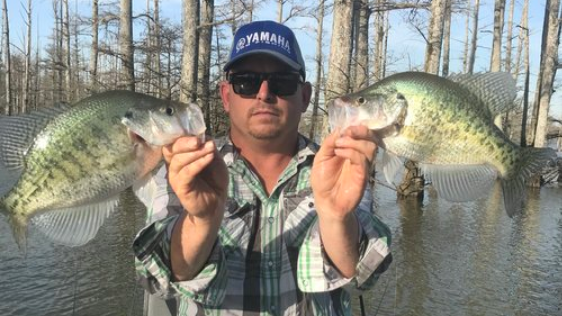
- Top-notch Guided Fishing Services Mississippi!


Summary
Join a guided fishing trip in Pope, Mississippi on Thursday, May for an authentic crappie fishing experience. Jason Collins brings professional expertise to every outing, focusing on proven techniques that deliver consistent results on local waters.
Fishing with Jason Collins of Jslab Guide Service - Rates & Booking
Guide Jason Collins of Jslab Guide Service operates guided fishing trips in Pope, Mississippi on a consistent basis. These outings are designed around authentic crappie fishing experiences tailored to skill level and personal objectives.
As an experienced guide, Collins brings hands-on knowledge of local waters and proven methods that connect anglers with quality catches. His approach focuses on understanding seasonal patterns, reading water conditions, and positioning for productive fishing. Guided trips include personalized instruction in casting technique, lure selection, and reading structure where crappie hold.
For booking details and current availability, contact Jslab Guide Service directly. Flexible scheduling accommodates different preferences, and Collins adapts each outing to match angler experience and specific goals.
Highlights of Crappie Fishing in Pope
Pope's waters offer excellent crappie habitat with accessible structure, clear fishing conditions during peak seasons, and consistent populations year-round. The local environment provides diverse opportunities - shallow bays, timber lines, and deeper channels all hold productive crappie. Working with a guide eliminates guesswork and accelerates your learning curve on local patterns.
The crappie fishery rewards attention to detail. Water temperature, seasonal migration, and moon phase all influence daily success. Collins' guidance translates these factors into actionable strategy, helping you understand not just where crappie are biting, but why and when patterns shift.
Local Species Insights: Crappie in Mississippi Waters
Mississippi's crappie populations represent two distinct species - black crappie and white crappie - each with slightly different habitat preferences and behavioral patterns. Both thrive in Pope's region, though their seasonal movements vary based on water temperature and spawning cycles.
Crappie are structure-oriented fish, meaning they relate to cover and changes in bottom contour. They suspend around submerged timber, vegetation, and rocky points. In spring, crappie move shallow to spawn, creating excellent sight-fishing opportunities. Summer finds them transitioning to deeper structure, requiring more technical presentations. Fall movement is aggressive as crappie feed heavily before winter dormancy. Understanding these cycles is crucial for consistent success.
Pope's water conditions support stable crappie populations. The local environment - a mix of natural and managed water systems - provides excellent habitat diversity. Guides familiar with these waters know which zones produce during different conditions and seasons. This knowledge directly translates to more fish in the boat.
Crappie respond well to small jigs, minnows, and soft plastics. Presentation matters significantly - subtle casting and controlled jigging often outperforms aggressive technique. The fish are opportunistic feeders with sensitive lateral line systems, making stealth and precision key components of effective fishing. Working shallow cover slowly during low-light periods often produces the strongest bites.
Plan Your Fishing Day
A typical guided fishing trip focuses on primary feeding periods and seasonal crappie behavior. Early morning and late afternoon typically produce best results, though midday opportunities exist depending on season. Your guide adjusts timing and location based on current conditions.
Bring polarized sunglasses for sight-fishing shallow areas, a comfortable pair of boat shoes with good grip, and weather-appropriate clothing. Pope's climate varies seasonally, so layering provides flexibility. Sun protection - hat, sunscreen, and long sleeves - makes extended time on the water more comfortable.
Most trips accommodate small groups or solo anglers. This flexibility allows personalized instruction and pace suited to your experience level. All instruction focuses on practical skills that transfer to future fishing - knot tying, lure selection, structure identification, and presentation technique.