%2Ffit-in%2F250x250%2Fguide_websites%2F28525%2Fimages%2F1741110864868image-2025-03-05t015416.002.png&w=1920&q=100)
Warmouth Fishing in Pope MS - Guided Trip Results
Warmouth Fishing in Pope, MS - What to Expect
%2F%2Fusers%2F31bd52cb-4e6c-44f3-89ad-4daa833546a4%2Fimages%2Fwarmouth-fishing-pope-ms-catch-2566.jpg&w=1920&q=75)
Guided Fishing Trip by Guide Jason Collins in May
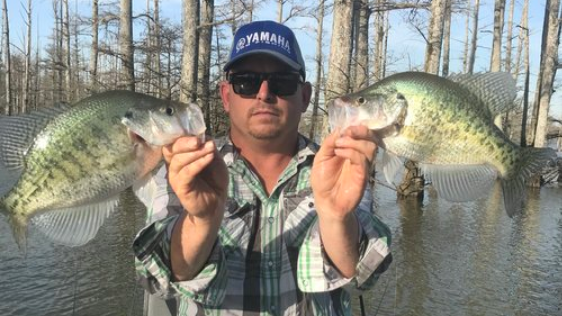
- Top-notch Guided Fishing Services Mississippi!


Summary
Join a guided fishing trip in Pope, Mississippi on a Wednesday in May to catch warmouth and other local species. This guided fishing adventure delivers genuine results and the kind of hands-on experience that keeps anglers coming back for more.
Guided Fishing with Jason Collins - Rates & Booking
Guide Jason Collins of Jslab Guide Service on Wednesday, May 21st offers an authentic guided fishing trip that focuses on what really matters - getting fish on the line and landing them. With local expertise and a no-nonsense approach, this Pope, Mississippi-based guide knows exactly where the warmouth are biting and how to put you in position for success.
This guided fishing experience includes everything needed to get on the water and start catching. The trip is designed for anglers ready to learn from someone who knows the local waters inside and out. Whether you're looking to refine your technique or simply enjoy a productive day on the water, Jason's guided approach focuses on practical results and real fishing action.
To book your guided fishing adventure with Jason Collins, reach out directly to Jslab Guide Service. Spots fill up quickly during peak season, so reserve your trip today and lock in your date for some genuine Mississippi warmouth fishing.
Highlights of This Guided Fishing Trip
The real highlight here is the fresh catch displayed on the tailgate after a solid day on the water. When two anglers head out with a guide who knows the area, the results speak for themselves. You'll experience the satisfaction of landing multiple fish species in Pope's local waters, with warmouth as the featured catch of the day.
This kind of trip captures what makes guided fishing memorable - not just the activity, but the confidence that comes from fishing with someone who's dialed in to the conditions. The personal instruction and real-time adjustments are what separate a casual outing from a day that delivers genuine action.
Local Species Insights: Warmouth
Warmouth are hardworking fish that thrive in Mississippi's freshwater systems, and Pope's waters offer excellent habitat for these aggressive fighters. These panfish are known for their willingness to bite and their scrappy nature once hooked, making them a favorite among both experienced anglers and newcomers looking for consistent action.
Warmouth tend to hang around structure - fallen trees, weed beds, and rocky areas where they can ambush smaller fish and insects. In Pope's local waters, guides know which spots concentrate warmouth during different times of year and water conditions. The fish are most active during warmer months, which is why May through October represents peak season for this guided fishing.
What makes warmouth so satisfying for guided trips is their combination of availability and fighter attitude. They don't require fancy technique or specialized equipment, which means beginners and seasoned anglers alike leave with stories and a cooler full of fish. The local population in Pope supports consistent catches when you're fishing with someone who knows where to find them.
This particular guided trip resulted in multiple warmouth and other species, demonstrating the productive nature of the local fishery. Jason Collins' approach of targeting proven spots and adjusting presentation based on real-time feedback is exactly what separates a successful day from a slow one in Pope's waters.
Plan Your Fishing Day
A typical guided fishing trip with Jslab Guide Service involves getting on the water during prime feeding periods when warmouth and other species are most active. You'll work different areas, trying various presentations and techniques while learning what the fish are responding to on any given day.
The day includes the knowledge and instruction of a guide who's spent countless hours on Pope's waters. That local expertise translates into more time actually fishing and less time wondering where to go or what to do. Bring comfortable clothes layered for changing weather, sunscreen, and a willingness to get your hands dirty catching fish - everything else is handled by someone who knows the game.
Fishing in Mississippi: Warmouth
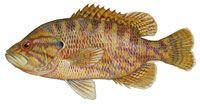
Warmouth Overview
The Warmouth (Lepomis gulosus) is a fascinating member of the Centrarchidae family, belonging to the order Perciformes, and stands as one of the most resilient and adaptable sunfish species in North American freshwaters. Known by around 16 colorful regional nicknames—from Strawberry Perch and Mud Bass to Google-eye and Stump Knocker—this fish has earned its place in the hearts of casual anglers and outdoor enthusiasts everywhere. What makes the Warmouth truly distinctive is its remarkably oversized mouth, almost twice larger than its sunfish cousins, which allows it to consume prey other fish simply cannot fit between their jaws. The species boasts a golden or mottled brown body adorned with striking purple or red marks across its gill flaps and eyes, while males display a brilliant orange spot on their dorsal fin during breeding season. Whether you're fishing in a Texas bayou, exploring the Mississippi River basin, or casting lines in the waters near major metropolitan areas, the Warmouth remains a reliable and intriguing quarry that tells the story of freshwater adaptation and survival.
Warmouth Habitat and Distribution
Warmouths thrive in environments that would challenge most other fish species, showing a remarkable preference for muddy bottoms, swamps, lakes, ponds, and heavily vegetated waters. Their natural range spans impressively across North America, from the Gulf of Mexico and the Great Lakes to the Mississippi River basins, with populations extending through Atlantic and Gulf drainages in Texas, New Mexico, and even reaching into the southern portions of Canada. These fish are particularly abundant in specific river systems including the Yellow River, Blackwater River, Suwannee River, and the St. John's River, and they've established themselves throughout Florida's unique ecosystems like Lake Okeechobee and the Indian River. The species demonstrates an exceptional tolerance for low-oxygen environments and murky water conditions that would stress or eliminate other sunfish, making them ideal inhabitants of swampy backwater areas, dense vegetation patches, and muddy river channels. This adaptability means you're likely to encounter Warmouths in habitat conditions that other anglers might overlook, particularly in areas with extensive aquatic plant growth, submerged stumps, and fallen trees.
Warmouth Size and Weight
A typical Warmouth generally measures between 4 to 10 inches in length, making them a manageable catch for anglers of all skill levels, though specimens occasionally exceed these expectations. The largest documented individuals can reach up to 12 inches long and tip the scales at approximately 2.25 pounds, with most fish averaging around 1 pound. While these dimensions might seem modest compared to larger game fish, the Warmouth's compact size makes them excellent targets for light tackle fishing and ideal for young or beginner anglers learning fundamental casting and retrieval techniques. The lifespan typically extends to around 3 to 8 years in the wild, depending on environmental conditions and predation pressure, with most populations showing average lifespans closer to the lower end of that spectrum.
Warmouth Diet and Behavior
The feeding habits of Warmouths reveal why their oversized mouths prove so advantageous in their competitive freshwater ecosystems. Adult fish demonstrate a voracious appetite for mollusks, small crustaceans like crayfish and shrimp, aquatic insects, isopods, and small fish species, using their formidable mouths to literally suction prey directly into their gullet with impressive force. Juvenile Warmouths primarily consume smaller organisms including minuscule insects and zooplankton, gradually transitioning to larger prey as they mature and their mouths develop. These fish are sight feeders with distinctly predatory behavior patterns; they employ a stealthy hunting strategy by positioning themselves behind aquatic vegetation, submerged stumps, fallen trees, and other structural cover, then ambushing unsuspecting prey that ventures too close. This hide-and-wait approach makes them excellent candidates for still-fishing techniques and explains their abundance in vegetation-heavy habitats. In turn, adult Warmouths fall prey to herons, freshwater turtles, water snakes, and larger predatory fish species, creating a balanced ecological dynamic within their wetland and riverine homes.
Warmouth Spawning and Seasonal Activity
The breeding behavior of male Warmouths showcases fascinating territorial and parental instincts that intensify during the spawning season. Male fish construct circular nests by fanning their powerful tails to remove silt and debris from a designated area, typically positioning these nests in shallow water near aquatic vegetation or other protective structures. What's particularly intriguing is that these males defend their nesting territories with remarkable aggression, actively attacking any intruders—including female Warmouths attempting to approach—to protect their reproductive investment. During the breeding season, the eyes of male Warmouths transform into a vibrant red color, creating a visible indicator of their reproductive state and heightened aggression levels. This seasonal color change and behavioral shift typically occurs in spring and early summer, coinciding with warming water temperatures and increased daylight hours. Understanding this seasonal activity helps anglers predict when and where they're most likely to encounter active, aggressive Warmouths willing to strike artificial lures or live bait presentations.
Warmouth Techniques for Observation or Capture
Light Tackle Spinning Method: The most popular approach for catching Warmouths involves using light spinning rods paired with small spinners, in-line spinners, and tiny artificial lures in natural colors. Cast these offerings near vegetation, submerged stumps, fallen trees, and along shoreline structure in shallow water, typically 2 to 6 feet deep. Allow your lure to flutter or spin naturally through the strike zone, and be prepared for aggressive strikes—Warmouths don't hesitate when they attack. Light reels (1000-2500 size range) provide adequate control while remaining sensitive enough to detect subtle takes. This method works exceptionally well in spring and early summer when fish are more active and territorial.
Natural Bait Cane Pole Technique: For a classic and highly effective approach, employ a simple cane pole or ultralight spinning rod with natural baits including small crayfish, earthworms, crickets, and live minnows. Fish these baits directly under or adjacent to vegetation, around submerged structure, and along the margins of lakes, ponds, and slow-moving river sections. Drop your bait quietly and allow it to settle, then maintain gentle tension on the line while watching for subtle movements or sudden strikes. This approach requires patience but often produces excellent results, particularly during warmer months when Warmouths are feeding most actively. Around lakes in the Mississippi River basin and Texas bayou systems, this patient approach consistently outperforms faster methods.
Shallow Structure Exploration: Deliberately fish shallow areas (1 to 4 feet) with dense aquatic vegetation, fallen timber, and structural complexity. Warmouths prefer these habitats and rarely venture into open water. Use a combination of small soft plastic baits rigged on light jig heads, small crankbaits, or live bait presentations. Work methodically through promising structure, covering every likely hiding spot. The key to success lies in recognizing that Warmouths rarely chase prey far; your presentation must essentially drop into their strike zone, which means intimate contact with the cover they inhabit.
Warmouth Culinary and Utilization Notes
While Warmouths are technically edible, they're generally classified as having poor food quality and present limited culinary appeal compared to other freshwater fish species. Their small size and delicate flesh require meticulous handling during cleaning and preparation, and their mild flavor profile doesn't particularly excite most palates. Additionally, the effort required to catch enough Warmouths to constitute a worthwhile meal, combined with the small amount of meat per individual fish, makes them impractical as a primary food source. Most anglers and fishing guides recommend practicing catch-and-release fishing with Warmouths, appreciating them primarily for the recreational challenge, their role in healthy aquatic ecosystems, and their educational value for introducing young anglers to fundamental fishing techniques. Their resilience in harsh environmental conditions and ability to thrive in degraded habitats actually makes them ecologically valuable indicators of water quality and ecosystem adaptability.
Warmouth Frequently Asked Questions
Q: What is the best bait for catching Warmouths?
A: Small crayfish, live minnows, earthworms, and crickets represent the most productive natural baits. Artificial options include small spinners, in-line spinners, tiny crankbaits, and soft plastic baits in natural colors. The key is matching the bait size to prey naturally available in the local habitat, as Warmouths are opportunistic feeders attracted to realistic-looking presentations.
Q: Where can I find Warmouths in Texas or along the Mississippi River?
A: Warmouths are abundant throughout Texas bayous, the Mississippi River basin, and associated tributaries. Focus your efforts on shallow areas with dense aquatic vegetation, muddy bottoms, swampy sections, and around submerged structure like fallen trees and stumps. In Texas specifically, explore the Rio Grande drainages, Gulf coast swamps, and freshwater lakes with extensive plant growth for reliable Warmouth populations.
Q: Are Warmouths good to eat?
A: Warmouths are technically edible but are generally considered poor eating compared to other freshwater species. They're small, require significant cleaning effort relative to meat yield, and possess a mild, unremarkable flavor. Most anglers practice catch-and-release fishing with Warmouths, appreciating them primarily for recreational sport and their ecological importance.
Q: When is the best time to catch Warmouths?
A: Spring through early fall provides excellent fishing opportunities, with peak activity occurring during late spring and early summer when males are actively defending nesting territories. Early morning and late evening hours typically produce the most strikes, though these fish remain active throughout the day in heavily shaded vegetation. Overcast days often outperform sunny conditions, as Warmouths rely on cover and visibility to ambush prey.
Q: How can I distinguish a Warmouth from a Rock Bass?
A: While these species appear similar, Warmouths possess a distinctly larger mouth, fewer anal fin spines (3 versus 6 on Rock Bass), and typically display more pronounced purple or red marks across their gill plates and around their eyes. The Warmouth also tends to be heavier-bodied relative to length compared to the more streamlined Rock Bass. Males during breeding season display a brilliant orange dorsal fin spot that Rock Bass lack.
Q: What tackle should I use for Warmouth fishing?
A: Ultralight to light spinning rods paired with small reels (1000-2500 size) represent ideal choices for Warmouth fishing. Pair these with 4 to 6-pound test line and use small lures weighing under 1/8 ounce. The light tackle not only matches the species' size but provides superior sensitivity and fighting experience while minimizing stress on these relatively delicate fish during catch-and-release scenarios.